This is a very tricky topic because there isn’t much evidence saying that flooding is even considered to be affected by climate change. This is exactly why I chose this to be my last blog post for this class, 1.) I like challenges and 2.) I feel like I should end this with a bang. The reason for this being a very tricky topic is because the data on floods is very limited. This makes it difficult to measure them against the possibly climate driven floods of today. One of the main reasons that scientists decided to look into this topic was because climate change has affected many other water related variables. So this made them believe that the warming of the Earth may not be affecting floods specifically, but the factors that are going into floods. Scientists have realized that there has been more flooding in the US, specifically the Mississippi River Valley, the Midwest, and coastal flooding has nearly doubled in the last few decades.Some of the key ways climate change has affected flooding include heavier precipitation, more frequent hurricanes, and rising sea level.
A warmer atmosphere is going to carry more precipitation and humidity. Since 1901, the Earth has raised its temperature by 1.8 degrees celsius and has gotten 4% wetter. Basically, because of global warming, when it rains, it pours more. There was a study by the National Oceanic and Atmospheric Administration examining the record-breaking rainfall that landed on Louisiana in 2016, causing devastating flooding. The study determined that these rains were at least 40 percent more likely and 10 percent more intense because of climate change. Heavier rainfall does not necessarily mean more floods. This just means there could be an increase in floods and you should always be prepared for them. That said, heavy precipitation events are expected to increase as much as 50% by 2100.
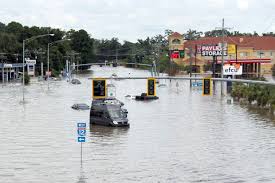
There has been an increase in our strongest hurricanes over the past few years that many believe is related to climate change. I agree with this claim. In the Atlantic alone, there is expected an 80% increase in category 4 and 5 hurricanes for the next century. With stronger storms brings heavier rain and more flooding. The most common type of flooding caused by hurricanes is coastal flooding (storm surge). For example, Hurricane Katrina brought a 28 foot storm surge with her when she made landfall in New Orleans. This major amount of flooding and heavy rain caused devastation to the people of New Orleans and killed many. By 2100 these monstrous storm surges and heavy rainfalls could get up to 17 times more frequent.

Going back to the rise in sea level, why do you think this is happening? I’ll give you a hint, it’s the title of the article. That’s right, flooding! Glaciers are melting from the Earth’s temperature rising 1.8 degrees celsius. Ocean levels have risen as high as 8 inches in some areas of the world. The predictions by 2100 go from 6 feet higher to 10 feet higher. Along with a lot of land disappearing around the world, rising sea level increases high tide flooding. Coastal areas would see a huge increase in high tide flooding that could possibly shut down multiple cities for weeks.
There are several different types of flooding. Coastal Flooding is mostly caused by storm surges and is when coastal areas around a continent become flooded from the ocean waters surrounding it. Flash Flooding is by far the most deadliest. It comes up on you fast and mostly happens from a stationary front above an area that releases mass amounts of rain causing water to build quickly, sometimes trapping people in their homes, cars, etc. without help. Agricultural Flooding is when plants absorb so much water that they drown. This normally happens with plants that can withstand frost. The snow around the plants gets rained on. The snow and rain accumulate to cause flooding on the land. Lastly, Urban Flooding is caused by failing drainage systems in an urban area. The roads and yards in the area become flooded. Urban Floods can cause significant structural damage as well.
How can you protect your house from flooding? Keep your drains and gutters free of gunk, install a pump in your basement or crawl space to pump out water, install check valves so that pipes do not backup into your home. Some people go as far as raising their house completely off the ground. Flood insurance is also another option. It is a smart way to go with protecting your home. Almost 98% of the United States gets flooding annually and this can be costly when repairs need to be made. The average cost of Flood Insurance is $1,000 a year.
Lastly, the best way you can help to prevent flooding around the world is to lower your carbon emissions. This will slow the warming of the Earth and slow everything else related to Climate Change.
Thank you for reading,
Serina K. Croyle
 Global Climate Change and Society