By Brendan Wissinger
Today in this Blog Post I will be talking about Oceans and Coral Reefs and how Climate Change is impacting them. If you are looking for sea level rise, see the Sea Level Rise Blog Post, if your looking for Hurricanes go see that blog post. Climate Change is a severe threat to coral reefs and other Marine Ecosystems. It is a threat to fish and other sea-life and subsequently affects human nutrition and livelihoods. Here is some of the way Climate Change impacts Fisheries.
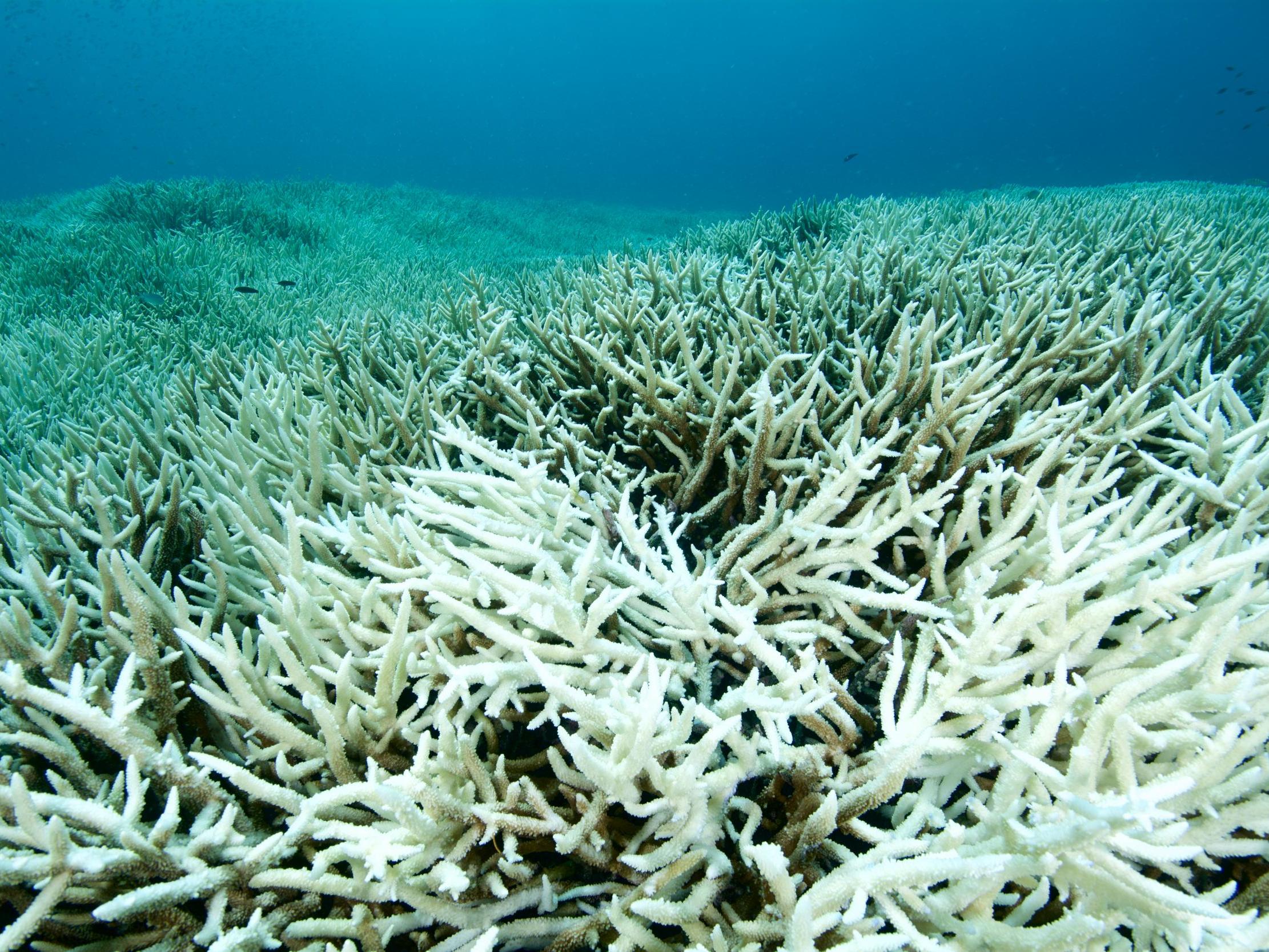
Firstly, Coral Reefs are dying because of Climate Change. Coral Reefs are home to the highest biodiversity of all ecosystems and more than 500 million people particularly in poor countries depend on them for food (IUCN, Coral Reefs and Climate Change). Already the Earth has lost half of its coral reefs and by 2050 is projected to lose 90% of its coral reefs (Independent). Coral Reefs are dying because of Ocean Acidification, which is caused by increasing carbon dioxide levels creating Carbonic Acid (NOAA/Ocean Acidification) and higher water temperatures caused by Global Heating (NOAA/How does climate change affect coral reefs). Oceans have absorbed 90% of the heat created from climate change and 25% of the carbon emissions. Both of these are causing corals to bleach or turn white, and causing disease outbreaks for coral reefs (WWF). Coral are bright and beautiful colors because of algae called Zoocanthellae which lives the in the coral in a symbiotic (mutually beneficial) relationship. When bleached for example if temperatures get too high, the coral will evict the algae, but coral can’t survive very long without the algae leading to the coral’s death. Usually after coral dies it doesn’t grow back. The small numbers of corals surviving don’t reproduce much leading to the death of the entire ecosystem. Other factors affecting Coral Reefs from Climate Change include Sea Level Rise, More Intense and frequent Tropical Cyclones, More intense precipitation events, and different ocean currents. We can adapt to these problems restoring coral reefs by farming corals, and creating artificial reefs, creating marine protected areas, and research, also genetically engineering new corals, speeding up the process of evolution to make new corals that are resistant to the Marine Heatwaves.
/cdn.vox-cdn.com/uploads/chorus_image/image/54323729/Pasted_image_at_2017_04_18_03_43_PM.0.png)

Second, is Deoxygenization of the Oceans and Inland Waterways. Deoxygenization can kill fish, including ones humans rely for food (IUCN). Fish cannot breath the oxygen in water, instead they breath dissolved oxygen in the water (livescience). Oxygen levels have been reduced 2% over a period of 50 years, that may not seem like much but it has serious impacts on sea-life. Deoxygenization is caused from higher nutrient run-off from land and sewage, and nitrogen deposition and warming temperatures (IUCN). Global Heating reduces the amount of oxygen seawater can hold (carbon brief). This creates Ocean dead zones, areas with no oxygen and almost no life, but even in other areas of the ocean oxygen levels have been decreasing. Compounding this because of warmer and more acidic oceans some marine life has been stressed, so they need more oxygen. Now dead zones now cover an area the size of the European Union. (livescience). By 2100 the ocean is expected to lose 3-4% of its global oxygen by 2100. Research shows that human activities are the largest cause of ocean deoxygenation (carbon brief).
Third, is the potential shutdown of Ocean Currents. As ice melts on land, and it contributes to sea level rise, it reduces the amount of salt in the Ocean, which contributes to slowdown in ocean currents. This salty water powers ocean currents. The main area this is an issue is the North Atlantic Current, if the melting ice from Greenland stops the conveyor belt, Europe could freeze as the North Atlantic Current is what keeps Europe warm (NOAA and inside climate news). Since last century the Atlantic Ocean’s circulation has slowed by 15 percent (inside climate news). Scientists have found that the imminent collapse of the cod fishery in the Gulf of Marine because of rapidly warming water seems to be connected to the slowing Atlantic circulation. This warm water helped perpetuate Hurricane Irene and Superstorm Sandy. This circulation is part of the global Thermohaline Circulation which moves cold polar waters, to the equator and warm equatorial waters to polar regions keeping Earth at a stable temperature. If this current stops, Europe could see colder winters and warmer summers. Scientists are not completely sure how this weakening will affect the US East Coast (inside climate news).

Fourth is marine heatwaves. As temperatures rise, Marine Heatwaves are becoming more common. Marine Heatwaves are periods of unusually warm temperatures in a marine ecosystems. They act like air heatwaves as they have different temperatures, different places. Usually marine heatwaves are caused by usual weather patterns, like atmospheric heatwaves, that either warm the water, or keep heat from dissipating out of the Ocean. Climate Change is causing more severe and more Marine Heatwaves (NOAA Research Marine heatwaves). Marine Heatwaves can kill coral reefs, sea grass and other sea life and kelp forests. They can kill these type of ecosystems with sweeping effect, when they last for weeks to months. To add to this is stress from pollution, plastic pollution, acidification, and overfishing, (Ecowatch) and that Oceans have absorbed 90 percent of the warming from climate change (inside climate news). Marine heatwaves can also give energy to hurricanes and wildfires.

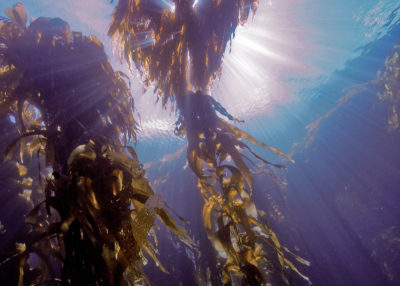
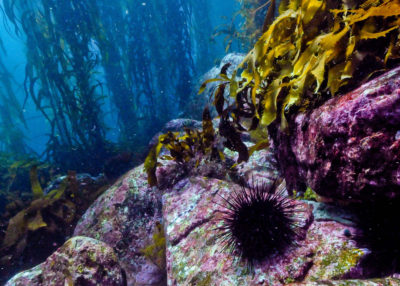
Five is impacts of Coral Bleaching, Marine Heatwaves, Shutdown of Ocean Currents and Ocean Deoxygenization on Fish and Fisheries. Shellfish won’t be able to create their shells correctly and their will be more algae blooms killing sea life. More fish will move to waters that colder, leaving fishing communities without a source of income. Around tropical countries (including many small island countries) which depend this resource most, could lose 20 to 40% of their fish production. Fish is the main source of protein for 3.2 billion people. Some rely on fish for 70 percent of their nutrition. Fish also supports 17 percent of the world’s animal protein. North America could see large declines in Salmon populations. This compounded by current overfishing, which are causing fishing at “biological unsustainable levels. Most of the overfishing goes to developed countries. To save this precious resource and natural wonders we must create Marine Protected areas, implace stricter catch limits, lower our emissions, help grow kelp forests and coral reefs and help them adapt to the challenge of Climate Change, better environmental enforcement and policing of illegal fisheries and ending fossil fuels (inside climate news). Other ways to protect fisheries include aquaponics, using on land based fisheries, which could create a separate stock of fish, free of disease so we are not using wild animals as our stock and use feeds that are not from fish to allow for more fish but less environmental impacts (mmn).
 Global Climate Change and Society