Global agriculture is inextricably linked with the Earth’s climate. Minute changes in climate could have a significant effect on local agricultures around the world. Climate changes is in some aspects, like local moisture levels, causing a polarization of climate, in the sense that climate is getting pushed towards one of two ends of a spectrum: either severe drought of frequent flooding. Trends show a feedback response where wet places are getting wetter and drier places are getting drier. There are, of course always exceptions to the rules, but these are somewhat few and far between. These changes could end up causing chain reactions and thus having major impacts on agriculture across the globe.
Drought is the more commonly thought of effect of climate change on regions of agricultural use. Drought is defined as a prolonged period of time where there is not sufficient levels of precipitation or moisture. As we all know, plants are dependent of having sufficient amounts of water. Without it, the existing crops would dry up and die, and new seeds may never even sprout in the first place. This would create food shortages in many drier regions of the world and will cut production across many high production areas, like California. This shortage of both farmed plants, as well as wild plants, would have a severe effect of grazing lands. Many places not particularly well suited to growing plants, like the steppes of central Asia or southern Argentina, maintain agricultural industries by grazing large numbers of cows and other livestock. Lack of food and water could decimate the populations of farm animals in these regions. These droughts themselves would likely be long term, which would cause desertification to occur in these areas.
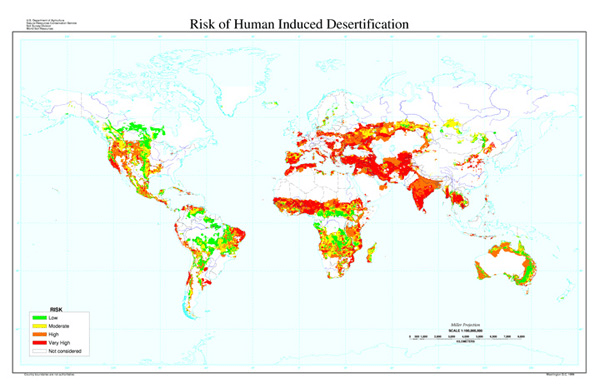
Figure 1: A map of areas at risk for desertification. Courtesy of USDA
On the other hand, we have flooding events. Flooding events create a whole different set of issues for agriculture, albeit with a similar end result. Excessive amounts of water running through water bodies will cause flooding. The flood waters themselves will often choke out drops that are trying to grow in those areas, in addition to drowning the livestock that gets left behind and are unable to escape the quickly rising waters. Even after the water recedes, however, it will still kill of crops. The soil will retain lot of the water, and that creates a breeding ground for plant pathogens, like viruses, bacteria, and fungi. Plus, the water in the ground will greatly increase the odds of plants rotting of en masse following these flooding events. The end result is a shortage of crops, and lower numbers of livestock.
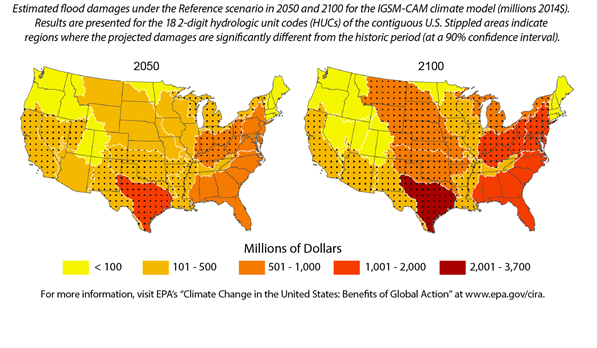
Figure 2: Map of flood damage to the US in the future. Courtesy of the EPA
These mass failures in agriculture will have profound effects on human society as well, which will be worsened by it creating its own feedback loop. Shortage of crops and agricultural products would cause more famines, particularly in already stressed regions, as well as exacerbate existing famines around the world. These famines would like cause large amounts of civil unrest in areas hard hit by the crop failures. The civil unrest will itself worsen the ability for food to be distributed to mitigate the famine. These factors will cause large scale migrations of people to neighboring regions. The influx of these people will put additional strain on areas that may have only just been getting by with the resources available to them. This will most likely result in a large-scale crisis over the long term, which will subsequently require large scale intervention from the international community to effectively combat these issues.
I feel the need to address the counterpoint often given: won’t the melting ice and permafrost open up new ground for farming and agriculture in more northern or southern locations? The short answer is sort of, but not really. Land that has been under ice will have lost most of its topsoil and nutrients to the movement of the ice over time, and thus you would be trying to farm or graze on nothing but gravel in these areas. Some areas opened up by permafrost will be able to be farmed on a small scale, but soil there is still pretty poor and the unevenness of the terrain would make it difficult to do any large-scale farming in these locations. It would not be able to offset the losses occurred in other areas due to drought, flooding, fires, and other climate stresses.
To sum up, the climate will have significant impacts on global agriculture. No matter what the change is, it will, in most cases, cause significant detrimental effects on local agriculture across large swathes of the world. Human society will be strained in the areas most strongly affected by the changes. There will be significant secondary repercussions if the climate change is allowed to run rampant and cause these declines in agriculture. These declines will not be offset by any land gained from thawing.
Image Sources:
Figure 1: https://www.nrcs.usda.gov/wps/portal/nrcs/detail/soils/use/worldsoils/?cid=nrcs142p2_054004
Figure 2: https://www.epa.gov/cira/climate-action-benefits-inland-flooding
 Global Climate Change and Society